
Definition and Basic Principles of Mind Maps

Mind maps are an effective method for visually organizing information and facilitating learning. This method is a schematic structure that branches out around a central idea or topic, connecting related information. Mind maps typically use a structure where a central idea or concept is placed in the middle, and related subheadings or keywords branch out from it. This visual tool organizes the flow of information while offering an organization that aligns with the brain's natural way of working. Since the human brain remembers information more easily in a visual and relational manner, mind maps offer an effective learning and thinking tool for people of all ages, from students to professionals. The basic principles of mind maps can be listed as placing the main idea in the center, using colorful and visual elements, adding subheadings related to the main idea, and creating each connection concisely. You can find relevant online companies on web pages for information on this topic and to ask your questions, and examine them in detail from there.
Areas of Use for Mind Maps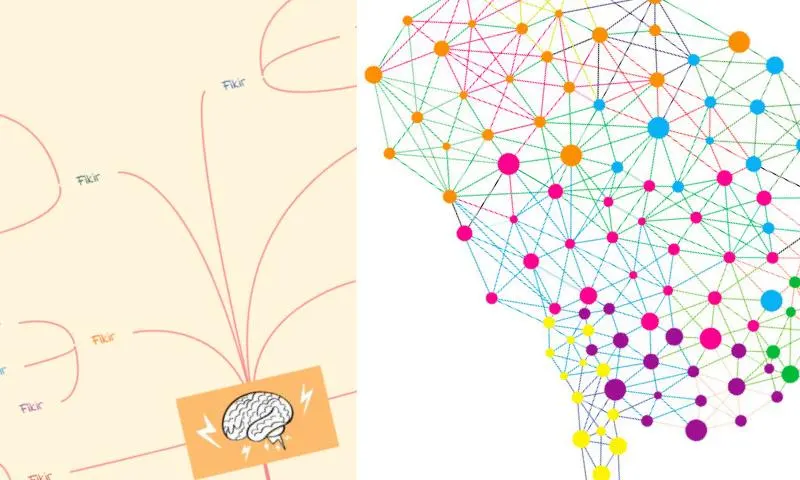
The areas of use for mind maps are quite extensive and can be effectively used in many fields, from education to the business world. In education, students can use mind maps as a useful tool when studying, organizing texts they read, or preparing for exams. By visualizing the learned information, it not only helps them remember the information more easily but also develops their analytical thinking skills. In the business world, mind maps are widely used in project planning, brainstorming sessions, and strategy development. Businesses can better organize complex projects, establish efficient communication among teams, and speed up decision-making processes with mind maps. Furthermore, mind maps are a powerful tool for individuals to clarify their ideas and generate new solutions in personal development and creative thinking processes.
Advantages of Mind Maps
One of the biggest advantages of mind maps is that, in addition to organizing information, they make the learning process more effective. Visually presented information helps people learn faster and retain it in their long-term memory. While mind maps create a clear structure for information, they also encourage creativity. This is because each connection can trigger a different thought and allow individuals to develop new perspectives. Additionally, mind maps simplify complex topics and organize large amounts of information in a meaningful way. Therefore, it is an important tool, especially for efficient note-taking, problem-solving, and thinking processes. Another advantage is that mind maps are accessible and adaptable for people of all ages and professions. Mind maps are a powerful method for organizing and learning information. They encourage thinking through a visual structure, help us remember information more easily, and enhance creativity. This method, which provides benefits in many areas from education to the business world, is an important tool for simplifying complex information, solving problems, and thinking more effectively. Harnessing the power of mind maps contributes to individuals developing an efficient and creative way of thinking by improving their learning processes.