The Historical Development of Glass Art

Glass art has a deep-rooted history dating back thousands of years. The first glass production began approximately 4,000 years ago in Ancient Egypt and Mesopotamia. During this period, glass was mainly used for small beads and ornaments. The Romans revolutionized glass production by developing the glassblowing technique, making glass accessible to a wider audience. In the Middle Ages, the center of glass art was the island of Murano in Venice. Murano masters elevated the art to its peak by skillfully crafting fine details in glasswork. Today, glass art is practiced using both traditional and modern techniques, holding a significant place in art galleries and architecture. For information on this subject and to ask your questions, you can visit the relevant online firms on the internet pages and conduct a detailed review from there.
Different Techniques of Glass Art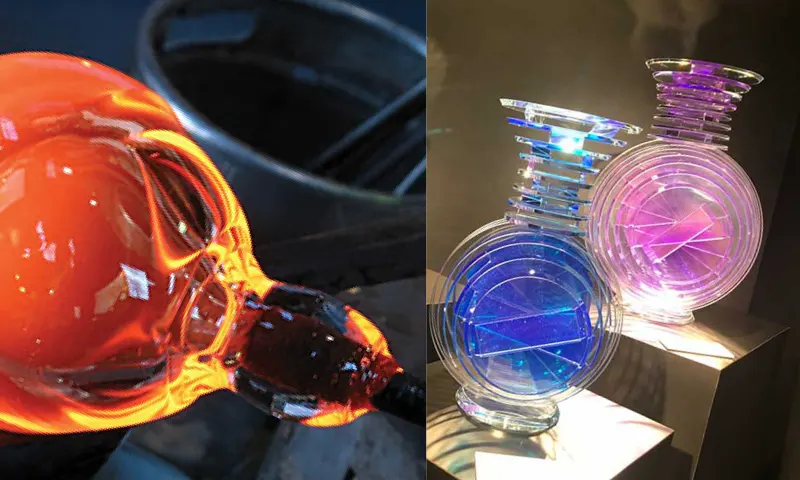
Glass art is a versatile art form practiced through various techniques. One of the most well-known techniques is "glassblowing." With this technique, artists shape molten glass using long tubes and form it into the desired shape as it cools. Another popular technique is "fused glass." In fused glass, different colored glass pieces are fused together by heating them in a kiln, creating unique patterns. Furthermore, "stained glass" art is also an important part of glass art. Stained glass, commonly seen in medieval churches, is made by assembling pieces of glass and is known for its impressive visuals created by light passing through the glass. These techniques allow glass artists to express their creativity freely.
Modern Applications of Glass Art
In addition to its traditional uses, glass art has found many modern applications today. Decorative glass products in interior design are preferred as details that add elegance to spaces. Especially glass chandeliers, table decorations, and stained glass windows create an aesthetic emphasis in home decor. Moreover, modern glass sculptures exhibited in art galleries and museums showcase how flexible and creative glass is as a material. At the same time, the transparency of glass and its interaction with light offer aesthetic solutions in architectural projects, integrating with modern structures. In its journey from tradition to modernity, glass art is an indispensable source of aesthetics for art lovers.