
The Role of Logistics Companies in Business

Logistics companies reduce the operational burden of businesses by ensuring the effective functioning of the supply chain. They offer professional support at every stage, from warehousing and transportation of products to customs procedures and distribution. This allows businesses to direct their time and resources to core areas such as production, marketing, or sales. In today's competitive conditions, a fast, reliable, and planned logistics process plays a key role in businesses achieving their growth goals. The answer to the question of how logistics companies contribute to businesses can be summarized by process efficiency, cost advantage, and customer satisfaction. For information on this subject and to ask your questions, you can look at the relevant online companies on web pages and examine them in detail.
Logistics Companies Provide Cost Control and Operational Efficiency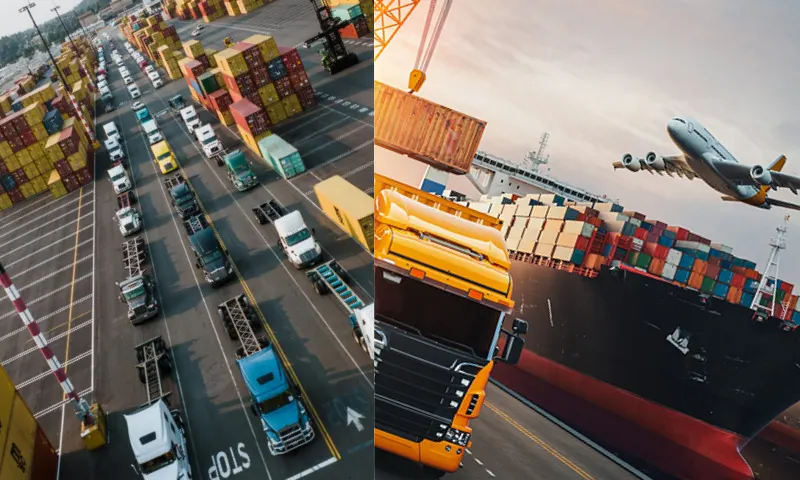
Professional logistics companies produce strategic solutions that offer cost advantages to businesses. Shipping costs are reduced through accurate route planning, vehicle optimization, and warehousing management. Smart inventory management that prevents overstocking reduces capital loss for businesses. Entrusting logistics processes to professional hands minimizes error rates and ensures operational continuity. Thus, businesses save both time and financial resources by avoiding unnecessary expenses. In the long run, this efficiency becomes a significant advantage that increases the company's competitiveness.
Logistics Companies Increase Customer Satisfaction and Brand Trust
When asked how logistics companies contribute to businesses, customer satisfaction is one of the most important topics. Timely and safe delivery strengthens the brand's reliability. Customers can track every stage of their orders thanks to technological tracking systems. This transparency reinforces the sense of trust and creates a loyal customer base. Logistics companies also protect the reputation of businesses by producing flexible solutions in times of crisis. In short, a strong logistics infrastructure ensures the transportation not only of products but also of the brand's value. It makes significant contributions to sustainable growth by increasing the competitiveness of businesses.