
How to Model with Structural BIM Software?

Structural BIM Software is an important technology that increases efficiency in structural engineering projects. Structural BIM software offers powerful tools for designing, analyzing, and documenting complex structures. The modeling process begins with users defining structural elements through the software's interface. These elements include structural components such as columns, beams, slabs, shear walls, and foundations. Users can define the structural properties of these components as they place and position them. They can adjust their dimensions, materials, and connection details. For information on this subject and to ask questions, you can look at related online companies on web pages and examine them in detail.
What are the Contributions of Structural BIM Software to Educational Processes?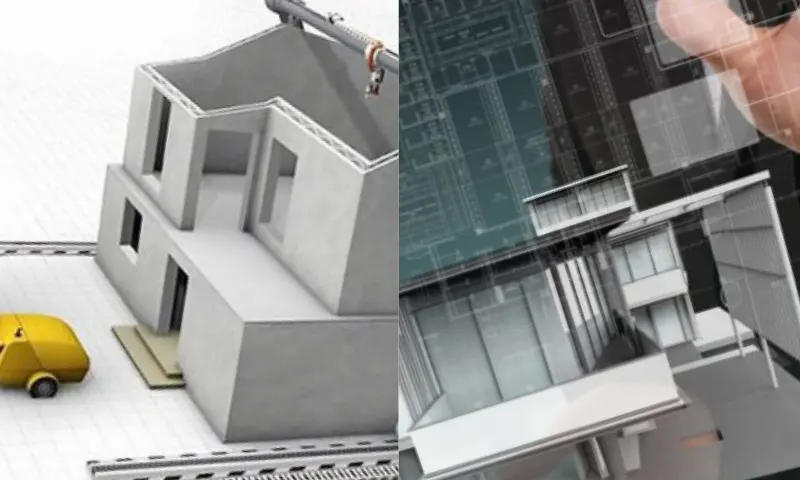
Structural BIM Software plays an important role in engineering and architecture education. Firstly, these software offer students the opportunity to learn the concepts and applications of building information modeling. Students can design, analyze, and document structural projects using BIM software. This helps reinforce theoretical knowledge with practical experience. Structural BIM software offers project-based learning experiences. Students can model and solve real-world projects, which develops their problem-solving and creative thinking skills. The software includes educational materials and tutorial resources, which support students' self-learning processes.
How is Collaboration Achieved with Structural BIM Software?
Structural BIM Software offers various tools and features to enable collaboration. These software have cloud-based storage and sharing features that allow for easy sharing and collaboration on project files. This ensures that projects can be easily shared and updated among different teams. Some Structural BIM Software offers multi-user support, allowing different users working on the same project to edit the project simultaneously. This enables teams from different disciplines to come together and work on projects concurrently.